
Asia is the world's largest continent, covering over 30% of the Earth's total land area. It is home to a wide range of physical features, from towering mountain ranges to vast deserts, and from dense jungles to sprawling plains.
A physical map of Asia is an essential tool for understanding the continent's diverse geography and the ways in which its physical features have shaped the lives of its people. In this section, we present a detailed physical map of Asia, highlighting its major physical features, including:
- Mountain Ranges: Himalayas, Tian Shan, Pamir, Hindu Kush, and other prominent ranges
- Deserts: Gobi, Taklamakan, Thar, and other major deserts
- Rivers: Yangtze, Yellow, Mekong, Ganges, and other significant rivers
- Lakes: Baikal, Issyk-Kul, and other notable lakes
- Plains: Indo-Gangetic Plain, North China Plain, and other expansive plains
- Islands: Japan, Philippines, Indonesia, and other prominent islands
Physical Map of Asia
Our physical map of Asia is designed to help students like you develop a deeper understanding of the continent's geography, preparing you for your exams and inspiring a lifelong appreciation for the natural world.
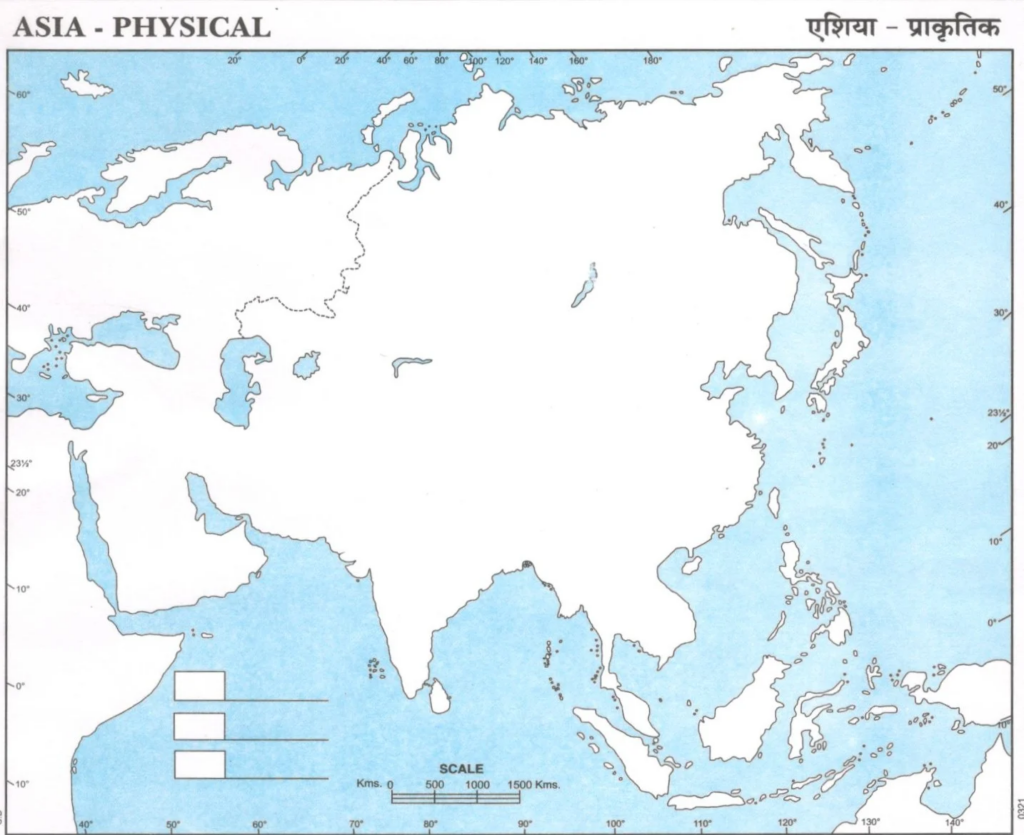
Download Large Size Physical Map of Asia for Students
Key Features of Our Physical Map:
- Color-coded: Different colors are used to represent different types of physical features, making it easy to distinguish between mountains, deserts, oceans, and more.
- Detailed: Our map includes a wide range of physical features, from the highest mountain peaks to the deepest ocean trenches.
- Interactive: Click on different regions to learn more about their unique characteristics and features.
- Study resources: Our map is accompanied by study resources, including notes, quizzes, and activities to help you learn and retain the information.
Whether you're a student, teacher, or simply someone who loves geography, our physical map of Asia is the perfect tool for exploring and learning about this incredible continent.
Physical Map
Physical Maps of India, the World and other countries are given below.