
ICSE / ISC K-12 (All Classes) Private Session 2025-26 Free Open Access

History of Chemistry Antoine Lavoisier John Dalton Lecture Handouts

History of Chemistry Antoine Lavoisier (1743 - 1794) Antoine Lavoisier Developed metric system to ensure uniform weights and measures. Stated the Law of Conservation of Mass. In 1787, Lavoisier...
Curriculum ICSE / ISC
Applicable Grade K-12 (All Classes)
Medium English & Hindi
Resource Format Chapter Q&A / PDF

Textbook Solutions & Academic Guide

Verified chapter-wise solutions, answers, and study notes

Curriculum & Exam Preparation Note: Regular practice of NCERT textbook exercises and chapter-end questions establishes strong conceptual clarity for primary and secondary examinations.

History of Chemistry

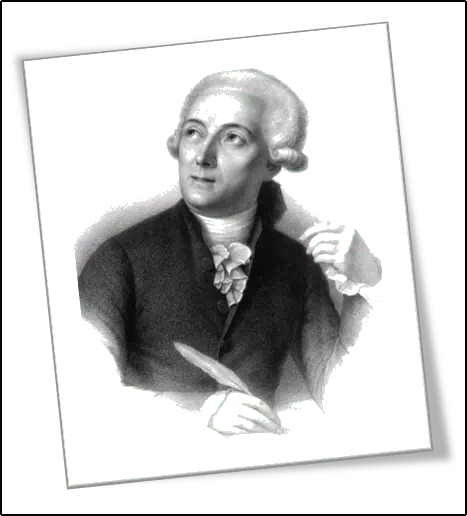
Antoine Lavoisier (1743 - 1794)

Antoine Lavoisier
  1. Developed metric system to ensure uniform weights and measures.
  2. Stated the Law of Conservation of Mass.
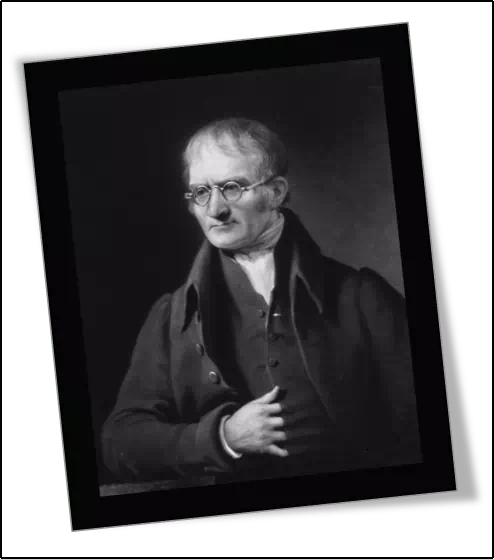
  3. In 1787, Lavoisier published “Methods of Chemical Nomenclature,” which included the rules for naming chemical compounds. John Dalton (1766 - 1844).
John Dalton

4. Known for development of modern atomic theory

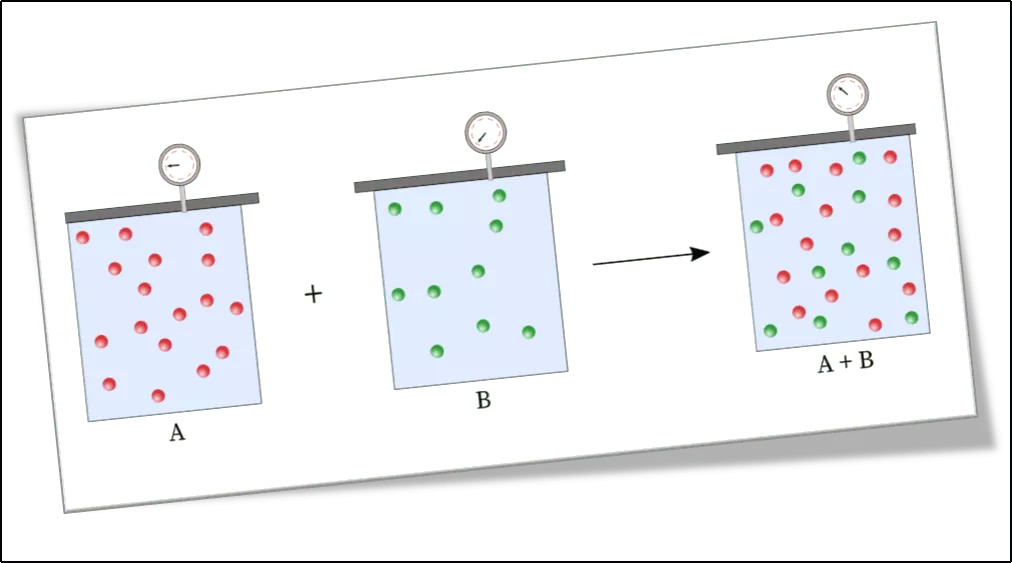
5. He gave the Law of Multiple Proportions and the Law of Partial Pressures.
John Dalton

6. Jöns Jacob Berzelius (1779 - 1848)

7. He developed the modern system of symbols and formulae. He also analysed numerous chemical compounds and discovered elements silicon, selenium, thorium, and cerium.

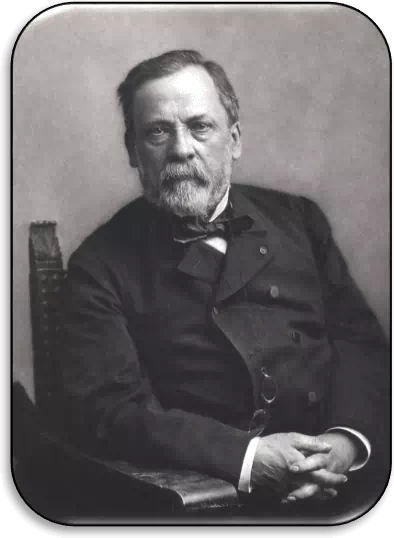
8. Louis Pasteur (1822 - 1895)
Louis Pasteur

9. He found that microorganisms cause the spoilage of food and it can be prevented by destroying those microorganisms.

10. He developed a process called pasteurization, which involves heating milk, and other beverages to kill the harmful microorganisms present in them

11. Dmitri Mendeleev (1834 - 1907)
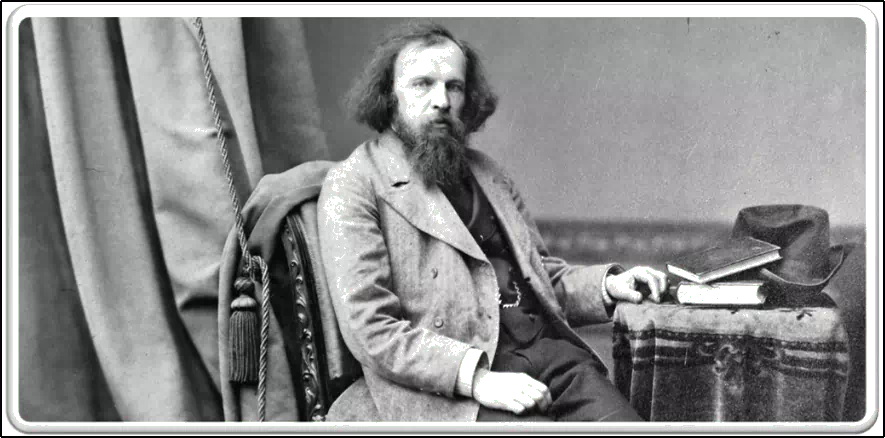
Dmitri Mendeleev

12. Russian scientist who classified the elements and developed the first periodic table. He found recurring pattern, or periodicity, of properties within groups of elements.

13. Built up a systematic periodic table of all the 66 elements-known at that time based on their atomic masses.

14. Predicted the locations within the table of unknown elements together with their properties.

15. Predicted the likely properties of three yet-to-be-discovered elements: scandium, gallium and germanium.

Alfred Bernhard Nobel (1833 - 1896)
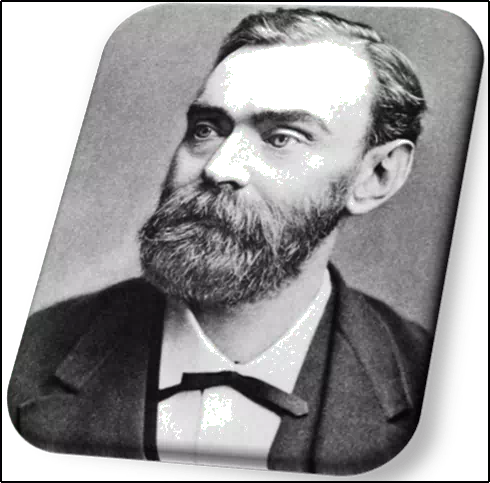
Alfred Bernhard Nobel

16.He was Swedish chemist, who invented dynamite. He also founded the prestigious Nobel Prize.

Niels Henrik David Bohr (1885 - 1962)
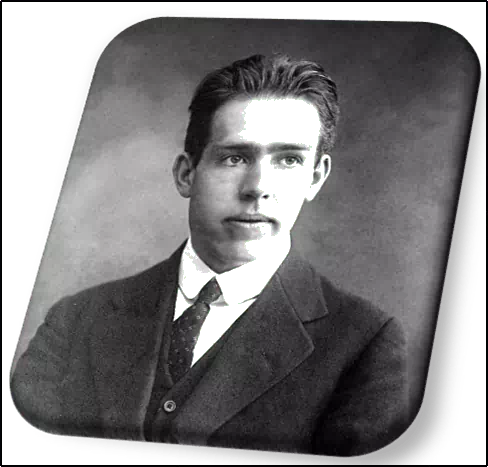
Niels Henrik David Bohr

17.He was Danish physicist who made contributions in understanding the structure of an atom.

Ernest Rutherford (1871 - 1937)
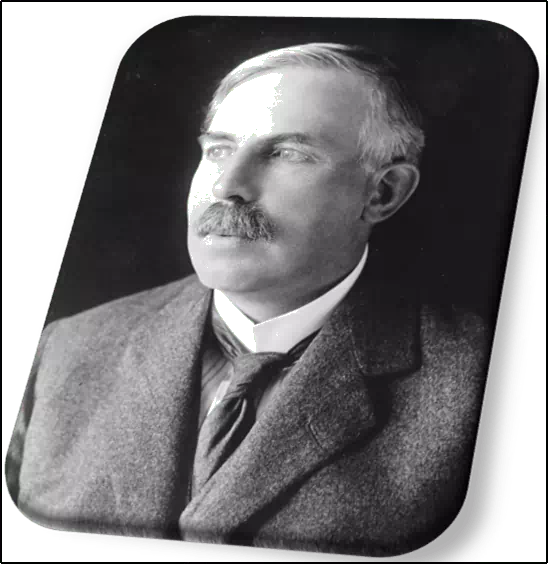
Ernest Rutherford

He was a British physicist who discovered Atomic nucleus.

Marie Sktodowska Curie (1867 - 1934)
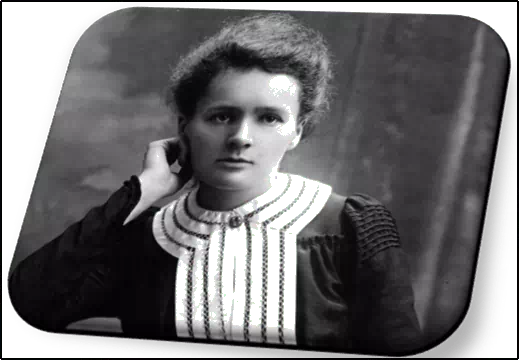
Marie Sktodowska Curie

Known for her pioneering research in She is radioactivity. She discovered radium.

Henry Gwyn Jeffreys Moseley (1887 - 1915)
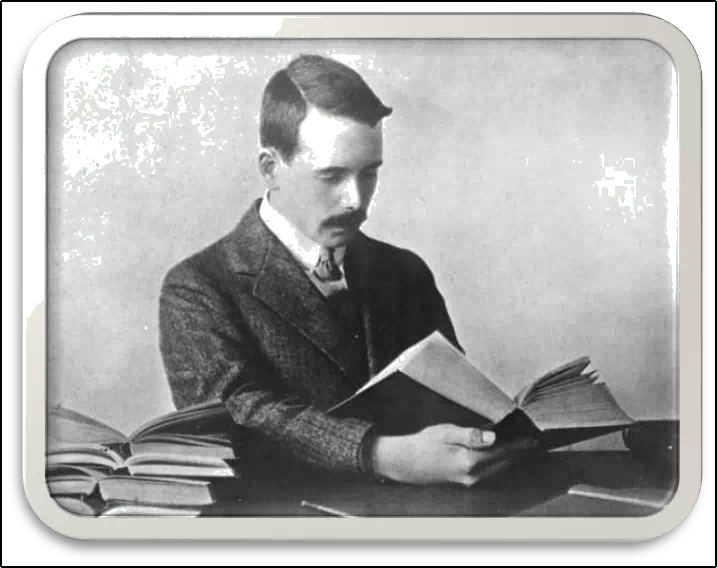
Henry Gwyn Jeffreys Moseley

English physicist, who is known for atomic number and Moseley՚s law

Prafulla Chandra Ray (1861 - 1944)
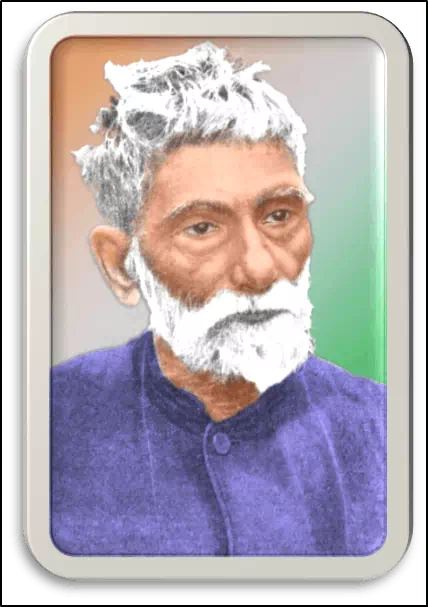
Prafulla Chandra Ray

Indian chemist who set up the first chemical factory in India, which later became the Bengal Chemical and Pharmaceutical Works Ltd.

Har Gobind Khorana (1922 - 2011)
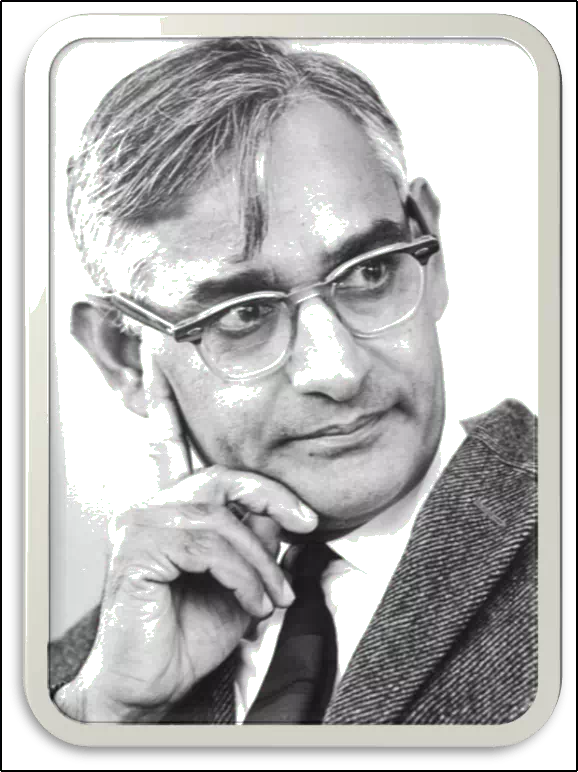
Har Gobind Khorana

a) Indian-American biochemist who won the Nobel Prize in 1968

b) Demonstrated how the nucleotides in nucleic acids control the synthesis of proteins.

Chintamani Nagesa Ramachandra Rao (1934)
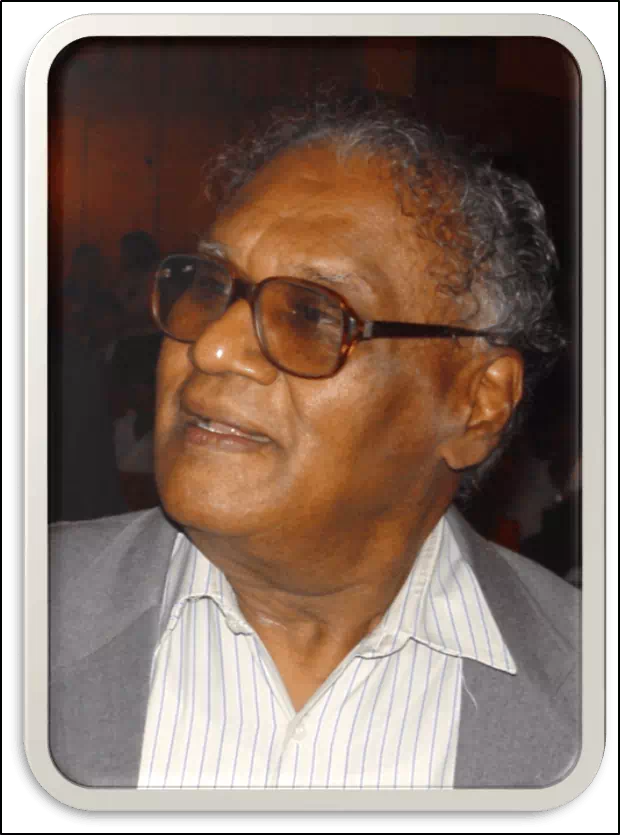
Chintamani Nagesa Ramachandra Rao

a) He has worked mainly in solid state and

b) Structural chemistry.

c) Passion: Nanotechnology

NCERT Solutions for All Classes (1 to 12)

Jump to free NCERT solutions, chapter Q&A, and textbooks for any grade

Popular Reference Solutions & Help Books

Step-by-step solutions for Mathematics and Science reference textbooks

Latest School & Board Updates

Real-time date sheets, admit cards, syllabus revisions, and exam notifications

Haryana Board Senior Secondary (12th) 20 Feb 2025
HBSE 12th 2024 Question Papers
View
Haryana Board Secondary (10th) 20 Feb 2025
HBSE 10th 2024 Question Papers
View
Haryana Board Senior Secondary (12th) 19 Feb 2025
HBSE 9th Model Papers 2025
View
Haryana Board Senior Secondary (12th) 19 Feb 2025
HBSE 11th Model Papers 2025
View
State Board Primary (1-5) 15 Feb 2025
BHU SET 2025 Application Form
View

Frequently Asked Questions

Common queries regarding NCERT textbook solutions & school curriculum

Are these NCERT solutions available 100% free of charge?

Yes. All NCERT solutions, chapter questions, textbook exercises, and download guides published on IndCareer Schools are completely free for students, parents, and educators without requiring any paid subscription or login.

Which subjects are covered for this class?

For Class 1, comprehensive NCERT solutions are provided for Mathematics (Math-Magic / गणित का जादू), English (Marigold & Mridang), and Hindi (Rimjhim / रिमझिम), alongside printable worksheets and textbook PDF downloads.

Are these solutions updated according to the latest CBSE / NCERT guidelines?

Yes. Our academic editorial team continually aligns all solutions and textbook references with the latest National Education Policy (NEP) and the rationalized curriculum issued by NCERT and the Central Board of Secondary Education (CBSE).

How can I download the official NCERT books in PDF format?

You can access official NCERT textbooks by clicking on the textbook links provided in the study content section above or by visiting the Class 1 to 12 NCERT Directory on IndCareer Schools.