
ICSE / ISC K-12 (All Classes) Private Session 2025-26 Free Open Access

Environmental Chemistry: Hydrosphere and Chemical Composition of Water Bodies

Hydrosphere and Chemical Composition of Water Bodies Hydrosphere Table of Contents Learning Outcomes Introduction Chemical Composition of water bodies Dissolved Gases Metal Ions Chemical Composition...

Curriculum ICSE / ISC
Applicable Grade K-12 (All Classes)
Medium English & Hindi
Resource Format Chapter Q&A / PDF

Textbook Solutions & Academic Guide

Verified chapter-wise solutions, answers, and study notes

Curriculum & Exam Preparation Note: Regular practice of NCERT textbook exercises and chapter-end questions establishes strong conceptual clarity for primary and secondary examinations.

Hydrosphere and Chemical Composition of Water Bodies
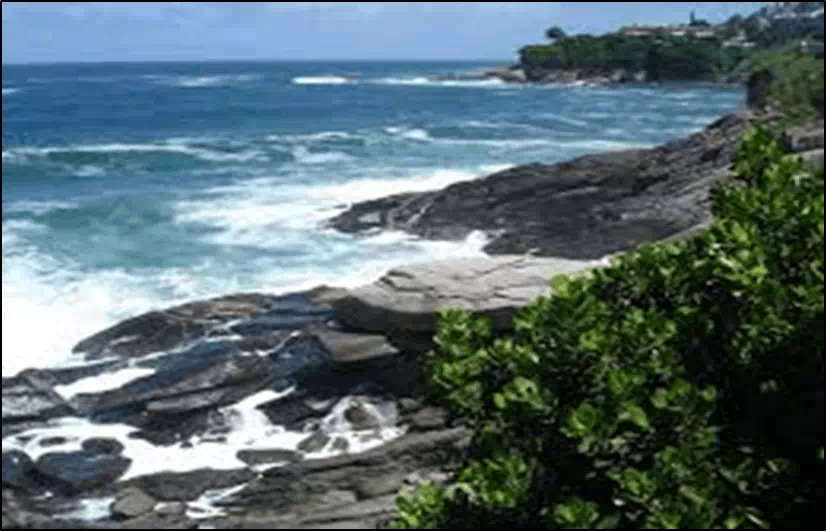
Hydrosphere

Table of Contents

  1. Learning Outcomes
  2. Introduction

Chemical Composition of water bodies

  1. Dissolved Gases
  2. Metal Ions

Chemical Composition of specific water body

  1. Ground Water
  2. Surface Water
  3. Wetlands

Summary

Learning Outcomes

After studying this module, you shall be able to:

  1. Know about the hydrosphere and distribution of water on earth.
  2. Learn the various components found in water bodies.
  3. Know the origin of various metal ions present in rivers.

Introduction
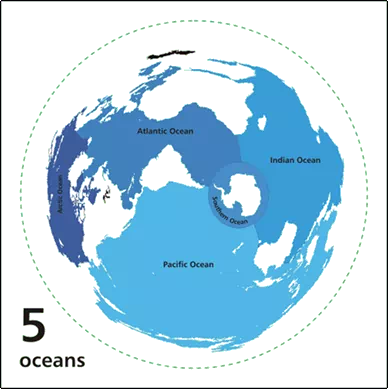
Hydrosphere
  1. Hydrosphere is a term used to describe the combined mass of water found on, under and over the surface of a planet.
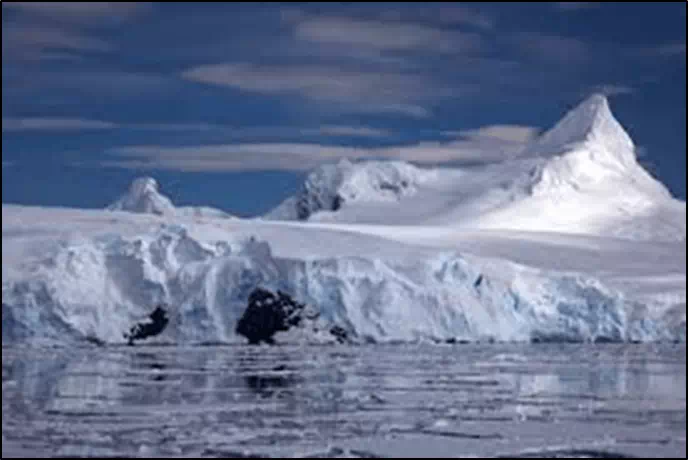
  2. It refers to the discontinuous layer of water at or near the earth՚s surface.
  3. It includes surface water (which may exist in the liquid state or solid state in form of ice) , groundwater and water vapour present in the atmosphere.
  4. The hydrosphere covers about 70 % of the surface of the earth.
Discontinuous

5. In his award winning book, ‘Water’, Mark de Villiers described the hydrosphere as a closed system in which water exists and says it has been built with the specific purpose of regulating life.

6. The total amount of water, according to him, has not changed since geological times.

7. Water can be polluted, abused and misused but certainly not created or destroyed, it can only migrate.
Ancient Civilizations

8. Water is the basic necessity for life. It has been referred to as ‘the elixir of civilization’ .

9. All ancient civilizations have flourished on river plains.

10. Several cities and civilizations have disappeared due to water scarcity resulting from climatic changes.

11. Water is the most abundant substance present on the earth՚s surface and is distributed in various forms like oceans, seas, rivers, lakes, streams, groundwater, ice caps, glaciers, soil moisture and water vapour in the atmosphere.

12. The hydrosphere holds about 1.39 x 10⁹ km3 of water.

13. The oceans and seas hold about 97 % of the hydrosphere in form of salt water.

14. The dominant part of fresh water is stored in ice caps and glaciers.

15. Only 0.3 to 0.4 % of fresh water is found in lakes and streams while 0.05 % is present in rivers.

16. The water content of wetlands and swamps is about 0.03 % while the atmosphere contains about 0.004 % .

17. This trivial amount plays an important role in the hydrological cycle.
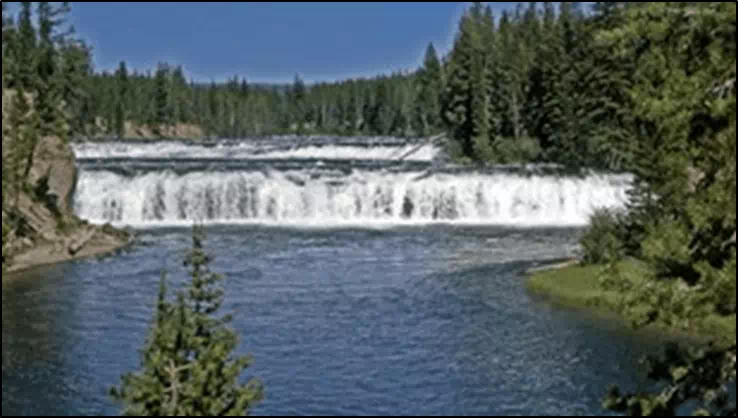
Material Transportation

18. The earth՚s water is not pure but contains dissolved and suspended impurities which may be inorganic or organic.

19 The movement of water plays an important role in the transportation of these materials on the earth՚s surface.

MCQs

  1. How much percentage of water, the oceans and seas hold of the hydrosphere?

a) 80 %

b) 50 %

c) 95 %

d) 97 %

Answer: D

2. How much percentage does the hydrosphere covers of the surface of earth?

a) 70 %

b) 50 %

c) 95 %

d) 20 %

Answer: A

NCERT Solutions for All Classes (1 to 12)

Jump to free NCERT solutions, chapter Q&A, and textbooks for any grade

Popular Reference Solutions & Help Books

Step-by-step solutions for Mathematics and Science reference textbooks

Latest School & Board Updates

Real-time date sheets, admit cards, syllabus revisions, and exam notifications

Haryana Board Senior Secondary (12th) 20 Feb 2025
HBSE 12th 2024 Question Papers
View
Haryana Board Secondary (10th) 20 Feb 2025
HBSE 10th 2024 Question Papers
View
Haryana Board Senior Secondary (12th) 19 Feb 2025
HBSE 9th Model Papers 2025
View
Haryana Board Senior Secondary (12th) 19 Feb 2025
HBSE 11th Model Papers 2025
View
State Board Primary (1-5) 15 Feb 2025
BHU SET 2025 Application Form
View

Frequently Asked Questions

Common queries regarding NCERT textbook solutions & school curriculum

Are these NCERT solutions available 100% free of charge?

Yes. All NCERT solutions, chapter questions, textbook exercises, and download guides published on IndCareer Schools are completely free for students, parents, and educators without requiring any paid subscription or login.

Which subjects are covered for this class?

For Class 1, comprehensive NCERT solutions are provided for Mathematics (Math-Magic / गणित का जादू), English (Marigold & Mridang), and Hindi (Rimjhim / रिमझिम), alongside printable worksheets and textbook PDF downloads.

Are these solutions updated according to the latest CBSE / NCERT guidelines?

Yes. Our academic editorial team continually aligns all solutions and textbook references with the latest National Education Policy (NEP) and the rationalized curriculum issued by NCERT and the Central Board of Secondary Education (CBSE).

How can I download the official NCERT books in PDF format?

You can access official NCERT textbooks by clicking on the textbook links provided in the study content section above or by visiting the Class 1 to 12 NCERT Directory on IndCareer Schools.