
The Diploma in Animal Husbandry (DAH) is a specialized program designed to equip students with comprehensive knowledge and practical skills in the management and care of domestic animals. This course is ideal for individuals passionate about animal care, veterinary services, and agriculture. Below is a detailed overview of the course, its structure, and the benefits it offers to students.
Diploma in Animal Husbandry (DAH)
The Diploma in Animal Husbandry is an excellent choice for those interested in a career in animal care and agriculture. It provides comprehensive education and practical experience, preparing graduates for a variety of roles in the animal husbandry sector. With growing demand for skilled professionals in agriculture, this diploma offers promising career opportunities and the chance to make a significant impact on animal welfare and farm productivity.
The curriculum is designed to cover various aspects of animal care, breeding, nutrition, disease management, and farm management.
Key Subjects Covered:
- Introduction to Animal Husbandry: Understanding the basic concepts and importance of animal husbandry in agriculture.
- Animal Nutrition: Principles of animal nutrition, feed types, and dietary requirements for different species.
- Animal Breeding and Genetics: Techniques and principles of breeding, genetic improvement, and reproductive technologies.
- Veterinary Practices: Basic veterinary skills, animal health, disease prevention, and treatment.
- Farm Management: Efficient management of animal farms, housing systems, and economic aspects of animal production.
- Livestock Production: Detailed study of various livestock species including cattle, sheep, goats, pigs, and poultry.
- Dairy Technology: Milk production, processing, and quality control.
- Animal Welfare and Ethics: Understanding animal behavior, welfare standards, and ethical considerations in animal husbandry.
Syllabus
Year 1: Foundation Courses
| Semester | Subjects | Description |
|---|---|---|
| Semester 1 | Introduction to Animal Husbandry | Overview of animal husbandry in India, importance and scope in Indian agriculture |
| Basic Veterinary Science | Anatomy and physiology of domestic animals, introduction to veterinary terminology | |
| Animal Nutrition I | Principles of animal nutrition, types of feed and feeding practices | |
| Livestock Production Management I | Introduction to livestock species (cattle, buffalo, sheep, goats, pigs, poultry) commonly found in India, basic management practices | |
| Practical Training I | Handling and care of animals, basic veterinary procedures | |
| Semester 2 | Animal Breeding and Genetics I | Fundamentals of genetics, breeding systems and techniques relevant to Indian livestock |
| Animal Health and Disease Management I | Common diseases in Indian livestock, disease prevention and control measures | |
| Farm Structures and Equipment | Design and construction of animal housing, farm equipment and its maintenance | |
| Dairy Technology I | Milk production and processing, quality control in dairy products | |
| Practical Training II | Nutrition management, basic reproductive techniques |
Year 2: Intermediate Courses
| Semester | Subjects | Description |
|---|---|---|
| Semester 3 | Advanced Veterinary Science | Advanced anatomy and physiology, introduction to pathology and microbiology |
| Animal Nutrition II | Nutritional requirements for different species, formulating balanced diets | |
| Livestock Production Management II | Advanced management practices for different species, record-keeping and farm management software | |
| Animal Breeding and Genetics II | Genetic improvement and selection, reproductive technologies (AI, ET) | |
| Practical Training III | Advanced handling and care techniques, diagnosis and treatment of common ailments | |
| Semester 4 | Animal Health and Disease Management II | Advanced disease management strategies, vaccination and biosecurity measures |
| Farm Economics and Business Management | Economic principles in animal husbandry, business planning and farm entrepreneurship | |
| Animal Welfare and Ethics | Animal behavior and welfare standards, ethical considerations in animal husbandry | |
| Dairy Technology II | Advanced milk processing techniques, dairy product development and marketing | |
| Practical Training IV | Advanced reproductive techniques, health monitoring and disease control |
Year 3: Advanced Courses (if applicable)
| Semester | Subjects | Description |
|---|---|---|
| Semester 5 | Livestock Production Systems | Integrated livestock production systems, sustainable practices in Indian animal husbandry |
| Advanced Animal Nutrition | Specialized nutrition for performance and productivity, feed additives and supplements | |
| Veterinary Clinical Practices | Clinical examination and diagnostic techniques, surgical procedures and emergency care | |
| Farm Management and Planning | Strategic farm planning and resource management, marketing and supply chain management | |
| Practical Training V | Clinical practice and surgical techniques, farm planning and management | |
| Semester 6 | Research Methodology and Project Work | Research techniques in animal husbandry, project planning and execution |
| Special Topics in Animal Husbandry | Emerging trends and technologies, case studies and current research | |
| Internship/Field Work | Practical experience in a professional setting, application of learned skills in real-world scenarios | |
| Comprehensive Viva and Evaluation | Oral examination covering all course content, evaluation of practical and theoretical knowledge | |
| Final Project Submission | Presentation and defense of final project, feedback and assessment by faculty |
Practical Training
A significant component of the DAH program is practical training. Students participate in hands-on activities such as:
- Handling and caring for animals
- Performing basic veterinary procedures
- Feeding and nutrition management
- Breeding and reproduction techniques
- Farm management practices
Practical training is conducted on-campus at dedicated facilities or through internships at farms, veterinary clinics, and related institutions.
Career Options and Job Prospects
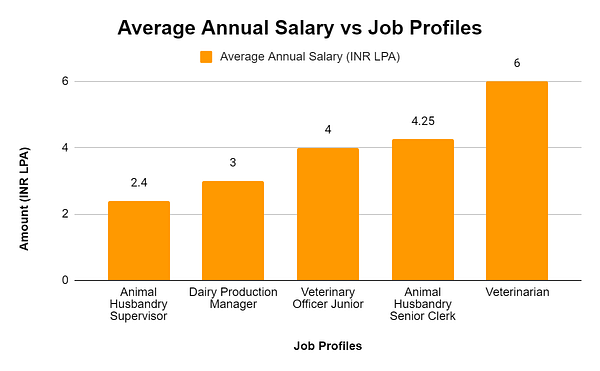
Earning a Diploma in Animal Husbandry (DAH) opens up a range of career opportunities in the agriculture and veterinary sectors. Graduates of this program are equipped with the skills and knowledge necessary to work in various roles related to animal care, farm management, and veterinary services.
Below are some of the primary career options and job prospects for DAH graduates in India.
Career Options
- Livestock Manager
- Responsible for overseeing the daily operations of livestock farms, including feeding, breeding, health monitoring, and record-keeping.
- Veterinary Assistant
- Assists veterinarians in clinical settings, helping with animal examinations, treatments, and surgeries.
- Dairy Farm Supervisor
- Manages dairy farms, focusing on milk production, herd management, and ensuring quality control in dairy products.
- Animal Husbandry Technician
- Works in various capacities such as breeding, nutrition management, and animal care across different livestock species.
- Poultry Farm Manager
- Manages poultry farms, ensuring optimal conditions for egg and meat production, disease control, and overall farm productivity.
- Animal Nutritionist
- Specializes in creating balanced diets for livestock to ensure their health and productivity.
- Research Assistant
- Participates in agricultural and veterinary research projects, helping to develop new techniques and technologies in animal husbandry.
- Sales and Marketing Executive (Animal Feed and Products)
- Works with companies that produce animal feed, supplements, and veterinary products, focusing on sales, marketing, and customer support.
- Agricultural Extension Officer
- Employed by government agencies or NGOs to provide technical advice and support to farmers and livestock owners.
- Farm Equipment Specialist
- Provides expertise on the use and maintenance of farm equipment and technologies.
Job Prospects
1. Government Sector:
- Departments of Animal Husbandry and Agriculture: Positions include livestock inspectors, veterinary assistants, and extension officers.
- Research Institutes: Opportunities as research assistants and technicians in institutions like the Indian Council of Agricultural Research (ICAR).
2. Private Sector:
- Dairy and Poultry Farms: Roles in farm management, quality control, and production supervision.
- Veterinary Clinics and Hospitals: Positions as veterinary assistants and support staff.
- Animal Feed and Pharmaceutical Companies: Sales, marketing, and technical support roles.
- Breeding Centers: Involvement in genetic improvement and breeding programs for various livestock.
3. Self-Employment:
- Entrepreneurship: Starting and managing one's own livestock or dairy farm.
- Consultancy Services: Providing expertise and advice to farmers and livestock owners on best practices in animal husbandry.
4. NGOs and Development Agencies:
- Rural Development Projects: Working with NGOs focused on improving livestock management practices and promoting sustainable agriculture.
- Animal Welfare Organizations: Positions related to the welfare and ethical treatment of animals.
Benefits of Pursuing a Career in Animal Husbandry
1. Growing Demand: With the increasing need for food security and sustainable agriculture, there is a growing demand for skilled professionals in animal husbandry.
2. Contribution to Society: Professionals in this field play a crucial role in improving livestock productivity, which directly impacts food supply and rural economies.
3. Diverse Opportunities: The field offers a variety of roles ranging from hands-on animal care to research and development, providing diverse career paths.
4. Job Stability: The agriculture sector is a stable industry, and animal husbandry professionals are essential for its continued growth and success.
5. Personal Fulfillment: For those passionate about animal care and agriculture, a career in animal husbandry can be highly rewarding, offering both personal and professional satisfaction.
Top Diploma in Animal Husbandry Colleges
| College | Location | Courses Offered |
|---|---|---|
| National Dairy Research Institute (NDRI) | Karnal | Diploma in Animal Husbandry and Dairying |
| Veterinary College and Research Institute | Namakkal | Diploma courses in Animal Husbandry |
| College of Veterinary and Animal Sciences | Mannuthy | Diploma courses in Veterinary Science and Animal Husbandry |
| Guru Angad Dev Veterinary and Animal Sciences University | Ludhiana | Diploma courses in Veterinary Science and Animal Husbandry |
| College of Veterinary Science & Animal Husbandry | Anand | Diploma courses in Animal Husbandry |
| College of Veterinary Science | Hyderabad | Diploma courses in Veterinary Science and Animal Husbandry |
| Bombay Veterinary College | Mumbai | Diploma courses in Veterinary Science and Animal Husbandry |
| College of Veterinary and Animal Sciences | Parbhani | Diploma courses in Animal Husbandry |
| College of Veterinary Science & Animal Husbandry | Jabalpur | Diploma courses in Veterinary Science and Animal Husbandry |
| Orissa University of Agriculture and Technology | Bhubaneswar | Diploma courses in Animal Husbandry |