
A career as a forensic scientist is an exciting and rewarding path for those passionate about science, law, and solving crimes.
Forensic scientists play a crucial role in the criminal justice system, using their expertise to analyze evidence and provide scientific support for investigations and court proceedings
Career as a Forensic Scientist
What is forensic science?
Forensic science is the application of scientific principles and techniques to investigate and solve crimes. It involves the collection, analysis, and interpretation of physical evidence to discover the truth and establish facts for legal proceedings. Forensic scientists work closely with law enforcement agencies, lawyers, and investigators to provide scientific evidence that supports criminal investigations and court cases.
What Does a Forensic Scientist Do?
Forensic scientists are responsible for examining and interpreting various types of evidence, including blood, DNA, fibers, drugs, and toxins. They use advanced techniques and equipment, such as chromatography, mass spectrometry, and genetic fingerprinting, to analyze samples and draw conclusions. Forensic scientists may also attend crime scenes to collect and document evidence, liaise with law enforcement agencies, and present their findings in court as expert witnesses
Types of Forensic Scientists
Forensic science is a multifaceted field that encompasses various specializations, each contributing uniquely to crime investigation and the judicial process. Understanding the different types of forensic scientists is essential for anyone interested in pursuing a career in this dynamic area.
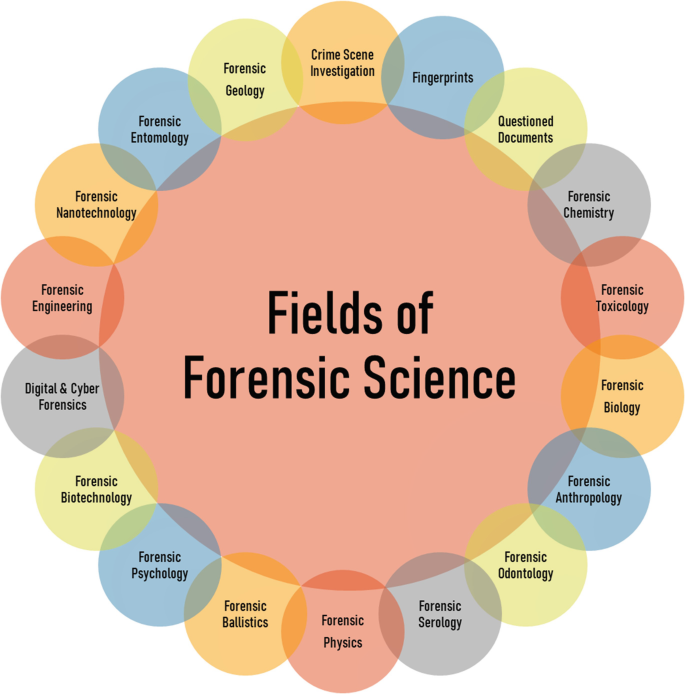
Here’s an overview of the primary types of forensic scientists and their roles.
1. Criminalist Scientist: Criminalist scientists, often referred to simply as forensic scientists, are responsible for reconstructing crime scenes and collecting evidence. They apply scientific principles to analyze various types of evidence, such as fingerprints, blood, and other trace materials. Their work involves logical reasoning and a broad understanding of scientific methods to determine the circumstances surrounding a crime and potential motives of suspects.
2. Blood Splatter Analyst: Blood splatter analysts focus on the patterns and distributions of blood at crime scenes. By examining the shape, size, and location of blood stains, they can infer details about the events that occurred during a violent crime, including the position of the victim and the assailant. This specialization requires a deep understanding of physics and biology to accurately interpret blood evidence.
3. Digital Forensic Investigator: With the rise of cybercrime, digital forensic investigators have become increasingly important. They specialize in recovering and analyzing data from electronic devices, such as computers, smartphones, and cloud storage. Their work involves extracting information that can provide insights into criminal activities, making them vital in cases involving identity theft, fraud, and other cyber-related crimes.
4. Forensic Psychologist: Forensic psychologists apply psychological principles to legal issues. They assess the mental state of individuals involved in criminal cases, including suspects and witnesses. Their evaluations can determine a person's competency to stand trial or help establish motives behind criminal behavior. This role requires a strong background in both psychology and the legal system.
5. Pathologist: Forensic pathologists are medical doctors who perform autopsies to determine the cause of death in cases of suspicious or unexplained fatalities. They analyze tissue samples, conduct toxicology tests, and may attend crime scenes to gather evidence related to the deceased. Their findings are crucial for legal investigations and can significantly influence the outcome of criminal cases.
6. Toxicologist: Toxicologists specialize in the study of substances that can cause harm to living organisms. They analyze bodily fluids, tissues, and other materials to detect the presence of drugs, alcohol, or poisons. Their expertise is vital in cases involving overdoses, poisoning, or drug-related crimes, as they provide essential evidence regarding the substances involved.
7. Forensic Anthropologist: Forensic anthropologists focus on human skeletal remains to help identify victims and determine the circumstances of their deaths. They can provide information about the age, sex, ancestry, and stature of individuals based on their bones. This specialization is particularly useful in cases of unidentified remains or mass disasters.
8. Firearms Examiner: Firearms examiners analyze guns and ammunition involved in crimes. They compare bullets and shell casings to determine if they were fired from a specific weapon. Their expertise is crucial in cases involving shootings, as they can provide evidence linking a suspect to a crime scene.
9. Questioned Document Examiner: Questioned document examiners analyze handwriting, signatures, and printed materials to determine authenticity. They may work on cases involving forgery, fraud, or disputes over the validity of documents. This role requires a keen eye for detail and a strong understanding of various writing instruments and techniques.
10. Forensic Odontologist: Forensic odontologists use dental records to identify human remains. They analyze bite marks and dental patterns to provide evidence in criminal cases. Their expertise is particularly valuable in cases involving mass disasters, where traditional identification methods may be insufficient.
Educational Requirements
To become a forensic scientist, you typically need a bachelor's degree in forensic science, biology, chemistry, or a related scientific field. Many universities offer accredited programs that provide a solid foundation in scientific principles and laboratory techniques. Some employers may also require a master's degree or Ph.D. in a specific area of forensic science.
Here are the typical educational requirements for aspiring forensic scientists:
Bachelor's Degree
- A Bachelor of Science (B.S.) in forensic science, biology, chemistry, or a related field is the minimum educational requirement for most entry-level forensic scientist positions.
- Coursework should include classes in biology, chemistry, physics, mathematics, and criminal justice.
- Many forensic science bachelor's degrees offer concentrations in areas like forensic biology, forensic chemistry, or crime scene investigation.
Master's Degree
- A Master of Science (M.S.) in forensic science or a related field can give you a competitive edge in the job market.
- Master's programs typically take 1-2 years to complete and provide advanced training in specific forensic science disciplines.
- Common master's degree concentrations include forensic biology, forensic chemistry, forensic toxicology, and forensic anthropology.
Doctoral Degree
- A Doctor of Philosophy (Ph.D.) in forensic science or a related field is usually required for research positions or teaching at the university level.
- Doctoral programs focus on original research and can take 4-7 years to complete.
- Ph.D. students often specialize in a particular area of forensic science, such as ballistics, fingerprinting, or digital forensics.
It's important to choose a forensic science program accredited by the Forensic Science Education Programs Accreditation Commission (FEPAC). FEPAC-accredited programs meet rigorous standards for curriculum, faculty, facilities, and student outcomes. Graduating from an accredited program can make you more competitive for jobs and demonstrate your proficiency in the field.
Skills
You'll need to have:
- the capacity to undertake fine, analytical, painstaking work with exceptional attention to detail
- a logical, unbiased and methodical approach to problem-solving
- a persistent approach and enquiring mind
- the ability to work well in a team, as well as independently
- strong written and oral communication skills and the ability to communicate scientific information to non-experts
- the ability to work to deadlines
- good colour vision.
Career Pathways in Forensic Science
As the field continues to evolve with advancements in technology and increasing reliance on scientific evidence, numerous opportunities are available for those looking to enter this dynamic profession. Here’s a detailed exploration of the various career pathways in forensic science.
Entry-Level Positions
Most individuals start their careers in forensic science with entry-level positions that provide essential experience and training. Common entry-level roles include:
- Forensic Technician: Assists forensic scientists in collecting and processing evidence at crime scenes and in laboratories.
- Crime Scene Investigator (CSI): Works on-site at crime scenes to collect evidence, document the scene, and ensure proper chain of custody.
- Laboratory Analyst: Conducts preliminary analyses of evidence, such as blood, hair, and other biological materials, under the supervision of senior forensic scientists.
These roles typically require a bachelor's degree in forensic science or a related scientific field, along with hands-on experience gained through internships or volunteer work.
Advanced Roles and Leadership Opportunities
With experience and further education, forensic scientists can advance to more senior roles, which may include:
- Forensic Scientist: A more experienced role that involves taking on complex cases, leading investigations, and providing expert testimony in court.
- Forensic Lab Director: Oversees the operations of a forensic laboratory, ensuring quality control and compliance with legal standards.
- Forensic Science Manager: Manages teams of forensic scientists and technicians, coordinating projects and ensuring efficient workflow.
- Forensic DNA Analyst: Specializes in analyzing DNA evidence, often working on high-profile criminal cases.
Academic and Research Opportunities
Forensic science is not limited to practical applications in the field. Many professionals choose to pursue academic careers or research positions. Opportunities include:
- University Professor: Teaching forensic science courses and conducting research in various forensic disciplines.
- Research Scientist: Working in laboratories or research institutions to develop new forensic techniques and technologies.
- Consultant: Providing expert advice to law enforcement agencies, legal firms, or private companies on forensic matters.
Specializations Within Forensic Science
As forensic scientists gain experience, they often choose to specialize in specific areas of forensic science. Some popular specializations include:
- Forensic Biology: Focuses on the analysis of biological evidence, such as DNA, blood, and bodily fluids.
- Forensic Chemistry: Involves the analysis of chemical substances, including drugs and explosives.
- Digital Forensics: Specializes in recovering and analyzing data from electronic devices, crucial for cases involving cybercrime.
- Forensic Toxicology: Analyzes bodily fluids and tissues to detect the presence of drugs, alcohol, or poisons.
- Forensic Anthropology: Studies human skeletal remains to help identify victims and determine the cause of death.
Role of Forensic Scientists in Legal Proceedings
Evidence Collection and Analysis
Forensic scientists are often the first responders to crime scenes, where they meticulously collect and document evidence. This process involves:
- Identifying Evidence: Forensic scientists identify various types of evidence, such as fingerprints, blood samples, hair, and other biological materials.
- Preserving Evidence: They ensure that evidence is collected and preserved according to strict protocols to prevent contamination or degradation. This meticulous handling is vital for maintaining the integrity of the evidence for legal proceedings.
- Laboratory Analysis: Once evidence is collected, forensic scientists conduct detailed analyses using advanced techniques in their specialized fields, such as DNA profiling, toxicology, ballistics, and digital forensics. These analyses help establish connections between suspects, victims, and crime scenes, providing critical information for investigations.
Expert Testimony in Court
One of the most significant roles of forensic scientists is serving as expert witnesses in court. Their responsibilities in this capacity include:
- Simplifying Complex Information: Forensic scientists translate complex scientific findings into understandable terms for judges and juries. This is crucial for ensuring that the evidence is comprehensible and relevant to the case at hand.
- Providing Objective Opinions: As impartial experts, forensic scientists provide unbiased opinions based on their analyses. Their testimony can significantly influence the outcome of a trial, as it lends credibility to the scientific evidence presented.
- Documenting Findings: Forensic scientists prepare detailed reports outlining their methodologies, findings, and conclusions. These reports serve as essential documentation for legal proceedings and can be used to support or refute claims made by either the prosecution or defense.
Crime Scene Reconstruction
Forensic scientists often engage in crime scene reconstruction, which involves piecing together the sequence of events leading up to a crime. This process includes:
- Analyzing Evidence: By examining the physical evidence collected from the crime scene, forensic scientists can reconstruct the actions of individuals involved, providing valuable insights into the circumstances surrounding the incident.
- Establishing Motives and Relationships: Through careful analysis, they can help establish motives, methods, and relationships between suspects and victims, which is crucial for building a comprehensive case.
Collaboration with Law Enforcement
Forensic scientists work closely with law enforcement agencies throughout the investigative process. Their collaboration includes:
- Consultation: Forensic scientists provide guidance to police officers and detectives on evidence collection and analysis, ensuring that proper procedures are followed.
- Training: They may also train law enforcement personnel in recognizing and preserving potential evidence at crime scenes, enhancing the overall effectiveness of investigations.
The Impact on Cold Cases
Forensic science has revitalized many cold cases that had remained unsolved for years. Advances in forensic techniques, such as improved DNA analysis and digital forensics, have allowed investigators to revisit old evidence and uncover new leads. This has brought renewed hope for families seeking justice and closure.
Ethical Considerations
The role of forensic scientists in legal proceedings also comes with ethical responsibilities. They must ensure that their work adheres to the highest standards of scientific integrity and objectivity. This includes:
- Avoiding Bias: Forensic scientists must remain impartial and avoid any biases that could influence their analyses or testimony.
- Maintaining Confidentiality: They must protect the confidentiality of sensitive information related to ongoing investigations and legal proceedings.
Future Trends in Forensic Science
The field of forensic science is continuously evolving, driven by technological advancements and innovative methodologies. As society faces new challenges, particularly with the rise of cybercrime and sophisticated criminal activities, forensic science is adapting to meet these demands.
1. Advancements in DNA Analysis: DNA analysis has long been a cornerstone of forensic science, and recent advancements are set to revolutionize this area further. Techniques such as next-generation sequencing (NGS) and single-cell sequencing allow forensic scientists to extract and analyze DNA from smaller samples with greater accuracy. These advancements enable the identification of victims and perpetrators even in cases where only trace amounts of DNA are available, significantly enhancing investigative capabilities.
2. Forensic Biometrics and Facial Recognition: Biometric technologies, including facial recognition, are becoming increasingly integrated into forensic investigations. These systems utilize deep learning algorithms to analyze images from surveillance cameras and social media, helping law enforcement agencies quickly identify suspects. As the accuracy of these technologies improves, they will play a crucial role in solving crimes more efficiently and effectively.
3. Digital Forensics: The rise of digital technology has led to an increase in cybercrime, necessitating advancements in digital forensics. Forensic experts are now equipped to handle complex cases involving data recovery, encryption analysis, and cybercrime detection. As digital forensics evolves, it will become an integral part of investigations, enabling the reconstruction of digital trails and uncovering hidden information from electronic devices.
4. Artificial Intelligence and Machine Learning: Artificial intelligence (AI) and machine learning (ML) are transforming forensic analysis by enhancing the speed and accuracy of evidence evaluation. AI algorithms can analyze vast amounts of data, identify patterns, and assist in tasks such as fingerprint examination and facial recognition. This integration of technology allows forensic scientists to solve cases more quickly and with greater precision, although ethical considerations regarding AI use in investigations will need to be addressed.
5. Touch DNA Analysis: Touch DNA analysis is an emerging technique that detects DNA left behind through skin cells on surfaces touched by individuals. This method has become increasingly sensitive, allowing forensic scientists to extract valuable DNA from surfaces that were previously challenging to analyze. As technology advances, touch DNA analysis is expected to become a standard procedure in criminal investigations, offering new avenues for evidence collection.
6. Geographic Information Systems (GIS): GIS technology is being utilized in crime scene analysis to map and analyze spatial data related to criminal activities. By integrating various data sources, such as surveillance footage and witness statements, investigators can gain valuable insights into crime patterns and trends. This interdisciplinary approach enhances the overall understanding of criminal activities, aiding in more effective crime-solving strategies.
7. Forensic Toxicology Innovations: The field of forensic toxicology is evolving to address the challenges posed by new synthetic drugs and the opioid crisis. Advancements in analytical techniques allow for the detection of a broader range of substances with greater sensitivity. The integration of digital technologies streamlines data analysis, enabling faster and more accurate identification of toxic substances in biological samples, which is crucial for solving drug-related crimes.
8. Automation in Forensics: Automation is making significant strides in forensic science, with systems being developed to assist in the collection, processing, and analysis of evidence. Automated processes not only increase efficiency but also reduce the potential for human error, ensuring more reliable outcomes in forensic investigations. This trend is expected to continue as technology advances and forensic laboratories seek to improve their workflows.
9. Ethical Considerations and Standards: As forensic science embraces new technologies, ethical considerations will become increasingly important. Forensic scientists must ensure that advancements do not compromise the integrity of investigations or the rights of individuals. Establishing clear ethical guidelines and standards will be essential to maintain public trust in forensic practices and ensure that justice is served fairly.
Salary Range
The salary range for forensic scientists varies significantly based on factors such as education, experience, specialization, and geographic location. Here’s a detailed overview of the salary expectations for forensic scientists:
Average Salary
- United States: According to the Bureau of Labor Statistics, the average yearly salary for forensic science technicians is approximately $52,840. The top 10% in this field can earn over $85,210 annually.
- United Kingdom: Forensic scientists typically start with salaries around £20,000. With experience, this can increase to between £25,000 and £35,000, and senior-level positions can reach £50,000 or more.
- India: The average salary for forensic scientists ranges from INR 3 to 5 lakhs per annum. More experienced professionals can earn significantly higher, with some specialized roles commanding salaries up to INR 14.8 lakhs per annum.
Salary by Experience Level
- Entry-Level (0-5 Years): Forensic scientists starting their careers can expect to earn between $40,000 and $52,000 in the U.S., while in India, salaries may range from INR 2.4 to 5 lakhs.
- Mid-Career (5-10 Years): With several years of experience, salaries can rise to $55,000 to $70,000 in the U.S. and INR 5 to 9.5 lakhs in India.
- Experienced (10-20 Years): Forensic scientists with extensive experience can earn between $70,000 and $85,000 in the U.S. and INR 8 to 12 lakhs in India.
- Late-Career (20+ Years): Senior forensic scientists or those in specialized roles can earn over $85,000 in the U.S. and more than INR 10 lakhs in India.
Factors Influencing Salary
- Education: Higher educational qualifications, such as a master's degree or Ph.D., can lead to higher salaries and more advanced positions.
- Specialization: Forensic scientists specializing in areas such as forensic biology, toxicology, or digital forensics may command higher salaries due to the specialized skills required.
- Location: Geographic location plays a significant role in salary variation. For example, forensic scientists in urban areas or regions with a high cost of living typically earn more than those in rural areas.
- Industry: Forensic scientists working in government positions may have different salary structures compared to those in private sector roles. Government roles often come with additional benefits that can enhance overall compensation.
FAQs
To become a forensic scientist, a bachelor's degree in forensic science or a related field is typically required. Some positions may require a master's degree or additional specialization for better job prospects.
Yes, forensic science offers various specializations such as DNA analysis, ballistics, toxicology, digital forensics, and more. Specializing in a specific area can enhance your career opportunities.
Physical fitness requirements may vary depending on the specific job role within forensic science. However, certain physical fitness standards may be necessary for crime scene investigations or fieldwork.
The time it takes to become a forensic scientist can vary. It typically involves obtaining a bachelor's degree (3-4 years), gaining practical experience (1-2 years), and pursuing advanced education or specialization (optional, additional years).
The field of forensic science is expected to grow in the coming years, with advancements in technology and an increase in the importance of scientific evidence in criminal investigations. This indicates positive future job prospects for aspiring forensic scientists.
AI is used to analyze large datasets, identify patterns, and assist in tasks like fingerprint examination and facial recognition.