
| Feature | Details |
| Duration | 3 years (UG) + 1-2 years (PG/Diploma) |
| Eligibility | 10+2 (Any stream); Graduate (Any stream) |
| Key Entrance Exams | CUET (PG), TISS-NET, University Specific Tests |
| Average Starting Salary | ₹4.5 LPA – ₹7.0 LPA (2026 Estimates) |
| Top Recruiters | Deloitte, KPMG, Adobe, NIIT, Coursera, EdTech Startups |
The Hook: Why Instructional Design Matters Today
As the world shifts from passive reading to immersive, digital-first learning, the Instructional Designer (ID) has become the "architect of the mind." In 2026, education is no longer just about content—it’s about the experience. Instructional Designers bridge the gap between complex information and learner retention by using cognitive psychology, data analytics, and high-tech authoring tools. Whether it's training a corporate workforce or building a global EdTech app, IDs are the silent powerhouses driving the multi-billion dollar e-learning industry.
The Roadmap: How to Become an Instructional Designer
Step 1: School Level (10+2)
- Stream: Any stream (Science, Commerce, or Humanities) is acceptable.
- Focus: Develop strong writing skills and a curiosity for how people learn.
Step 2: Undergraduate Degree
- Pursue a Bachelor’s in English, Psychology, Journalism, or Education (B.Ed).
- A degree in Computer Science is also valuable if you wish to focus on the technical "e-learning development" side.
Step 3: Post-Graduate & Specialization
Most professional IDs in India hold a postgraduate qualification:
- M.A. in Educational Technology or Instructional Design.
- PG Diploma in Instructional Design (PGDID): Highly recommended for career switchers.
- Master’s in Psychology: Helps in understanding adult learning principles (Andragogy).
Step 4: Master the Tools
In 2026, being "tech-savvy" is mandatory. You must learn:
- Authoring Tools: Articulate Storyline 360, Adobe Captivate, Vyond.
- LMS (Learning Management Systems): Moodle, Canvas, or Cornerstone.
- Design: Canva, Adobe Premiere Pro (for video-based learning).
Entrance Exams & Admission
To enter premier institutes for Educational Technology or Psychology, aim for:
- CUET-PG: The primary gateway for M.A. Programs in Education/Psychology at Central Universities.
- TISS-NET: For the Master’s in L&D and Applied Psychology at the Tata Institute of Social Sciences.
- SCDL Entrance: For the popular Post Graduate Diploma in Instructional Design (PGDID) at Symbiosis.
- University-specific Tests: Many state universities like Mumbai University or JMI conduct independent entrance tests for Education Tech.
Top 5 Institutes in India
- Tata Institute of Social Sciences (TISS), Mumbai: Offers top-tier programs in L&D and Social Innovation.
- Symbiosis Centre for Distance Learning (SCDL), Pune: The most recognized PGDID program in the Indian corporate sector.
- Nirmala Memorial Foundation College / Mumbai University: Leading courses in Educational Technology.
- KPMG Academy / NIIT: Offers industry-recognized "Certified Instructional Design Practitioner" courses.
- Indira Gandhi National Open University (IGNOU): Provides affordable PG Diplomas in Educational Technology.
Expert Quote
"The role of an Instructional Designer has evolved from a content editor to a learning experience architect. In the age of Generative AI, the value lies not in writing text, but in designing meaningful assessments and human-centric interactions that AI cannot replicate." — Dr. Vikram Sethi, Head of Learning & Development at a Global Tech Firm
Student Interview: A Day in the Life
Interview with Sneha R., Final Year PGDID Student & Intern
Q: What exactly does an ID do on a typical Monday? Sneha: "I spend my mornings interviewing 'Subject Matter Experts' (SMEs) to simplify complex tech topics. By afternoon, I'm storyboarding a 15-minute module, deciding where to put a quiz or an interactive video."
Q: Is it a purely creative job? Sneha: "No, it's very analytical. You follow the ADDIE model (Analysis, Design, Development, Implementation, Evaluation). You have to prove that your design actually helped people learn."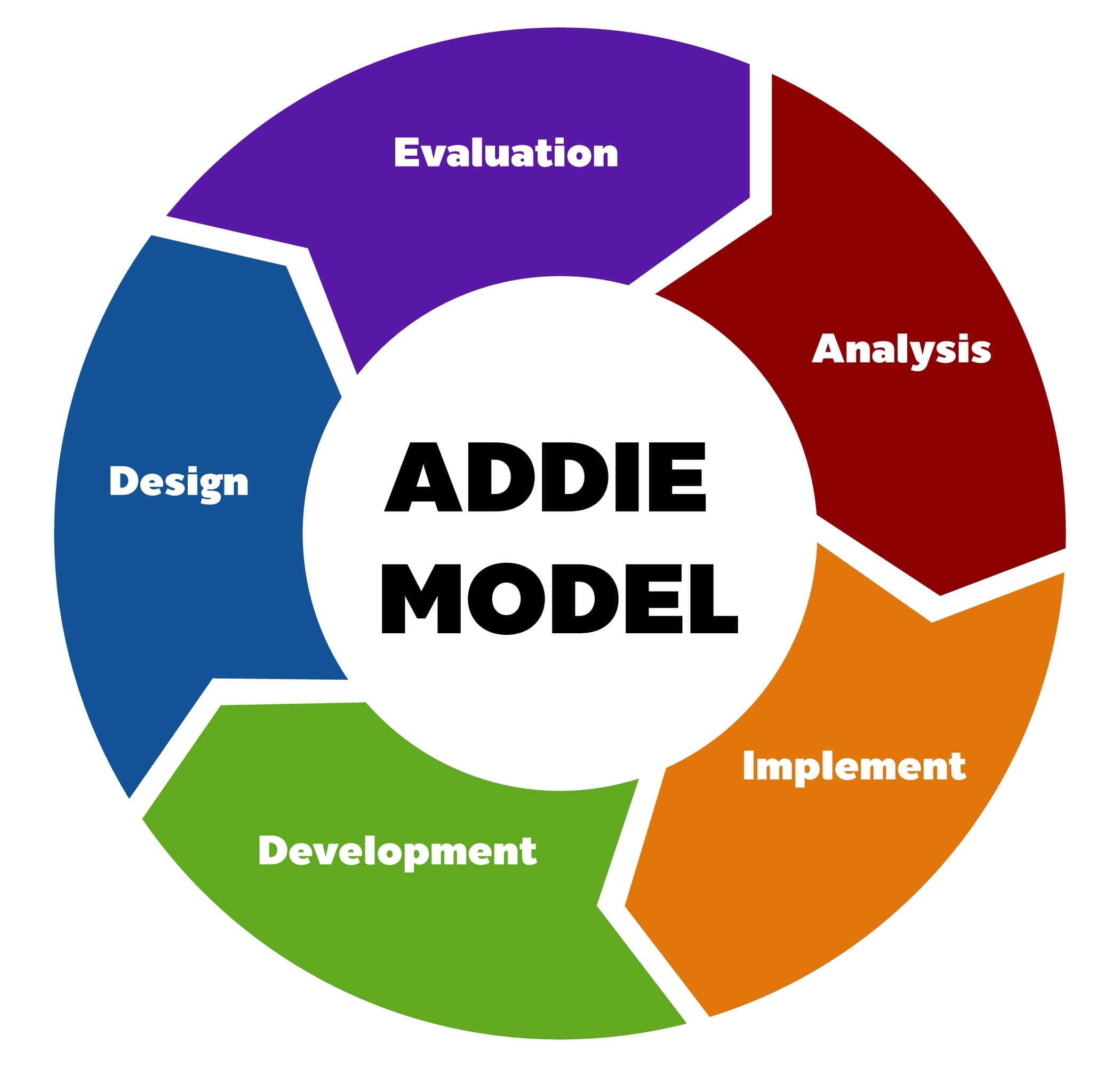
Q: One piece of advice for beginners? Sneha: "Build a portfolio! Don't just list degrees. Show a 5-slide module you built in Articulate. That gets you hired."
Skills for Success
- Storyboarding: Visualizing the flow of a digital course.
- Adult Learning Theory: Knowing concepts like Bloom’s Taxonomy and Gagne’s 9 Events.
- Technical Writing: Making complex jargon easy to understand.
- UX/UI Design: Ensuring the digital learning interface is user-friendly.
Salary & Growth (2026 Data)
The Indian market has seen a 15-20% surge in ID salaries due to the EdTech boom.
- Entry-Level (0-2 years): ₹4,50,000 – ₹7,50,000 per annum.
- Mid-Level (3-7 years): ₹9,00,000 – ₹16,00,000 per annum.
- Senior/Lead ID (8+ years): ₹20,00,000 – ₹35,00,000+ per annum.
Similar Career Options
- UX Researcher
- Learning & Development (L&D) Manager
- Content Strategist
- Technical Writer
- E-learning Developer
- Corporate Trainer
- Educational Consultant
Pros & Cons
Pros
- Work-Life Balance: Often offers remote or hybrid work options.
- High Demand: Every sector (Healthcare, Finance, IT) needs training.
- Creative Fulfillment: You get to see people learn from something you built.
Cons
- Tool Fatigue: Technology changes fast; you must constantly re-learn software.
- SME Management: Explaining "learning science" to experts who just want to dump data can be frustrating.
- Screen Intensive: Long hours spent on design and authoring software.
FAQ
Generally, no. Most tools are "drag-and-drop." However, knowing basic HTML/JavaScript can help you customize e-learning modules beyond standard templates.
Absolutely! Teachers already understand pedagogy. Many move into corporate ID roles by doing a 1-year diploma and learning tools like Articulate Storyline.
No. This is a field rooted in language, psychology, and design.
A writer provides the "What." An ID provides the "How." An ID focuses on the sequence, interactivity, and assessment of that content.
Yes. Organizations like NCERT, CIET, and various state education boards hire IDs to develop digital curriculum and Swayam/DIKSHA content.